San Diego wildflowers follow rainfall, habitat and local conditions more closely than a fixed calendar. The coast’s mild climate can support flowers outside the spring peak, while a dry year may produce a modest display. Use this coastal wildflower chart as a starting point for observation, not a promise that every listed plant will be flowering on a particular trail.
A coastal San Diego wildflower chart
The seasonal windows below come from California Native Plant Society’s Calscape profiles and Torrey Pines interpretive material. They describe general flowering tendencies, not a live report. Garden plants can behave differently from wild populations because irrigation and maintenance change their growing conditions.
| Plant | Scientific name | General bloom window | What to notice |
|---|---|---|---|
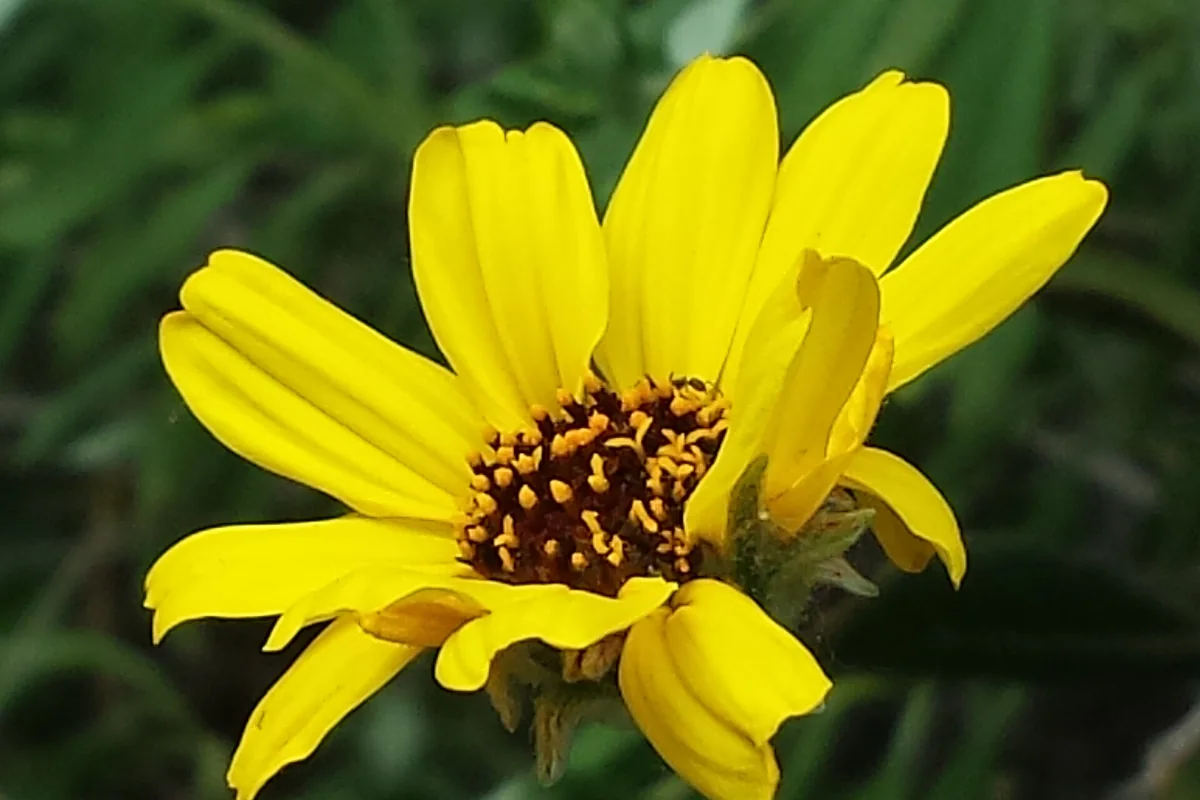
| Bush sunflower | Encelia californica | Winter to spring | Yellow daisy-like flowers on a shrub |
| California poppy | Eschscholzia californica | Primarily spring; can flower beyond it | Yellow to orange flowers and finely divided foliage |
| Red sand verbena | Abronia maritima | Can flower year-round | Low fleshy mats with pink to purplish flower clusters |
| Hairy sand verbena | Abronia villosa | Often February to May | Low annual growth with magenta or purplish-pink clusters |
| Three-spot / false rosinweed | Osmadenia tenella | May to October in the Torrey Pines profile | Small pale flower heads with pink detail |
Winter and early spring: watch the new growth
Torrey Pines’ self-guided habitat material explains that the first rains begin the coastal growing season. Annual plants emerge and develop before the familiar spring display. A winter walk can be worthwhile even when the main observation is new leaves rather than a hillside of flowers.
Bush sunflower is one example with a winter-to-spring flowering period in its Calscape profile. Look from the trail and avoid pulling leaves or branches for identification. A close photograph and notes about growth form are more useful than a damaged specimen. Freshly wet trails may close to protect fragile soil, so check access before going.
Spring: the broadest expectation, not a guarantee
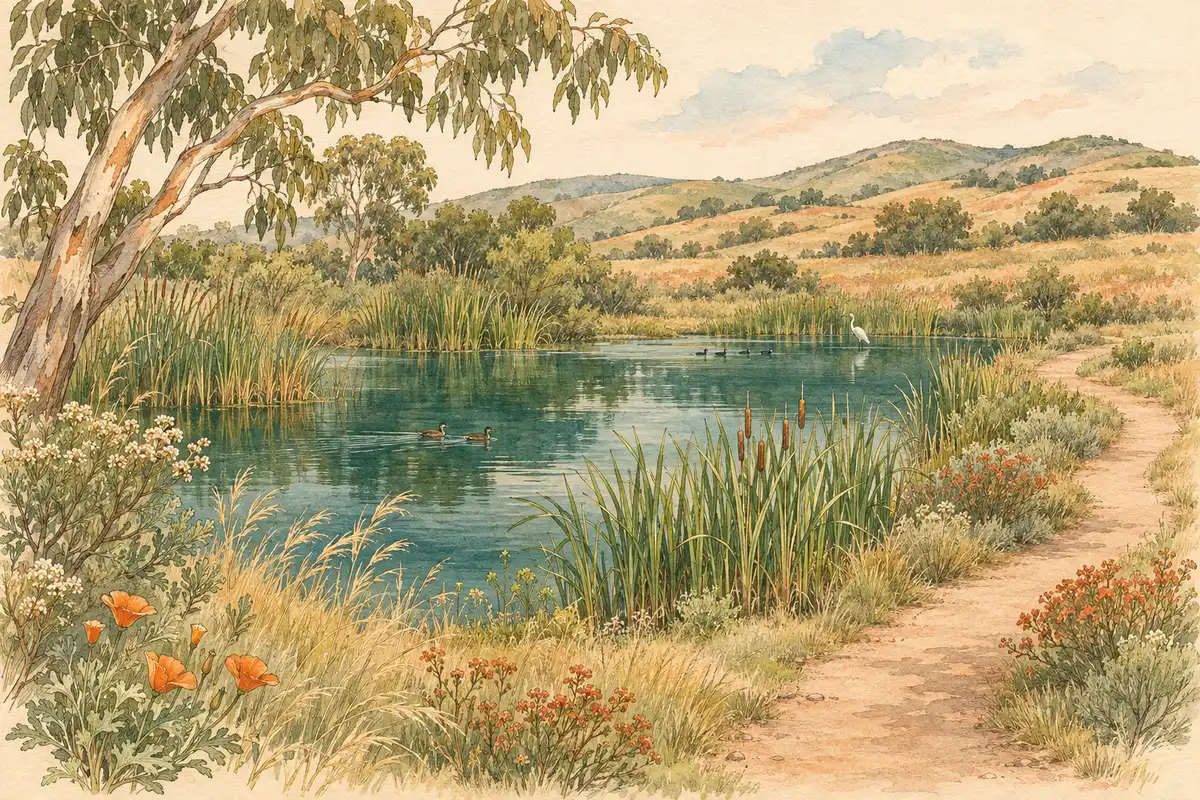
Spring is a sensible starting point for coastal wildflower walks, but the timing and density depend on rain and the site. California poppies can flower outside spring, yet Calscape describes spring as their primary season. The profile also notes that petals may remain closed in cloudy weather.
A gray morning is not necessarily a failed outing; it may simply show flowers in a different state. Look for foliage and habitat as well as bright petals. Do not leave a path to reach a more colorful patch. A small roadside or trail-edge plant can reward attention without requiring a broad display.
Late spring and summer: look for the smaller details
The Torrey Pines interpretive newsletter describes three-spot, also called false rosinweed, as a small annual that can appear as other spring flowers fade. Its reported flowering window extends from May to October. That is a reminder that a coastal flower walk need not end when the biggest spring show is over.
The same publication reflects on how a particular year’s cool weather and soil moisture affected the display. Do not copy one season’s observation into a permanent forecast. Search the current reserve information for recent context, then go prepared to appreciate whatever is present rather than expecting an old photograph to repeat.
Sand verbena: habitat and identification matter
Calscape describes red sand verbena as a beach-adapted perennial forming low mats, with fleshy tissues and flower clusters that can occur through the year. Hairy sand verbena is a different species, an annual associated with sandy habitat and commonly described with a February-to-May bloom period.
Common names can overlap, and pink flowers alone are not enough for a secure identification. Compare leaf shape, texture, growth form and the scientific name in a reputable reference. Stay out of planted or naturally vegetated sand areas. Low mats can look like spare walking space while providing shelter for small beach animals.
Where to plan a coastal flower walk
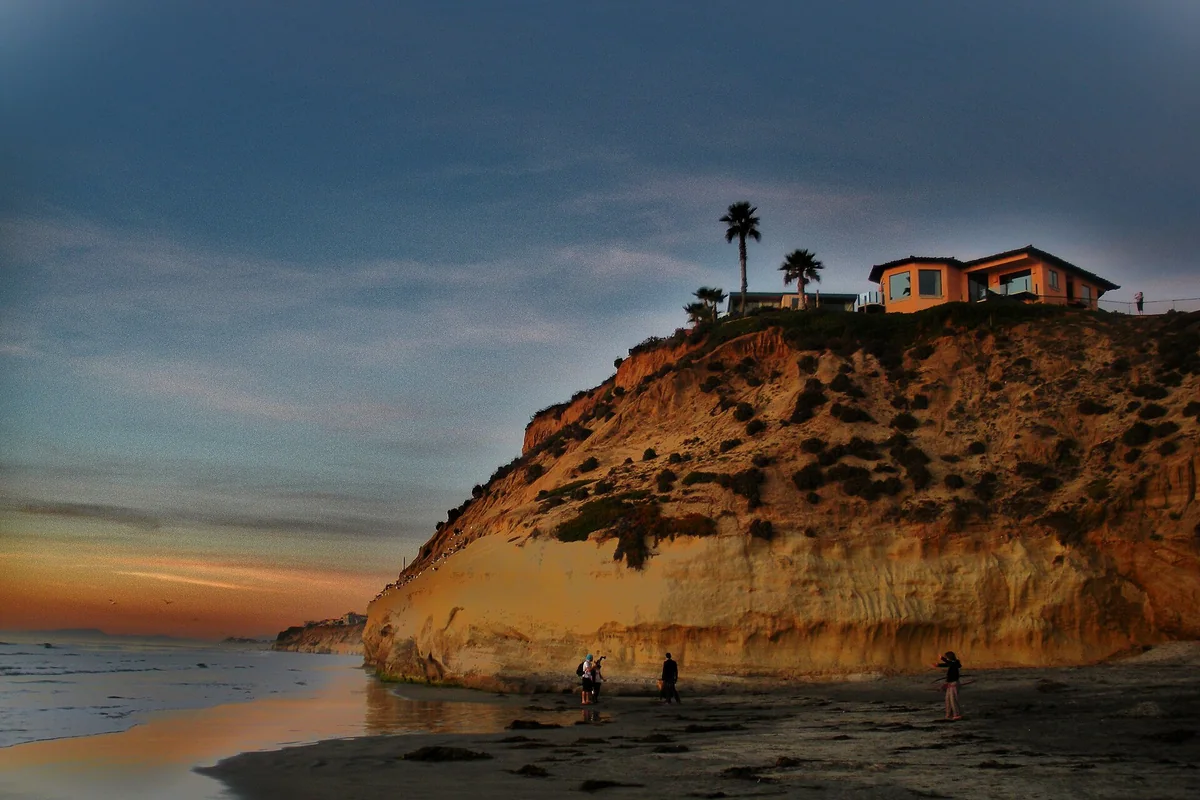
Torrey Pines provides official trail and interpretive information for coastal sage scrub and related habitats. Use the reserve guide and current State Parks updates to choose a route, especially after rain. A trail closure protects soil and plants; it is not a suggestion to enter from another side.
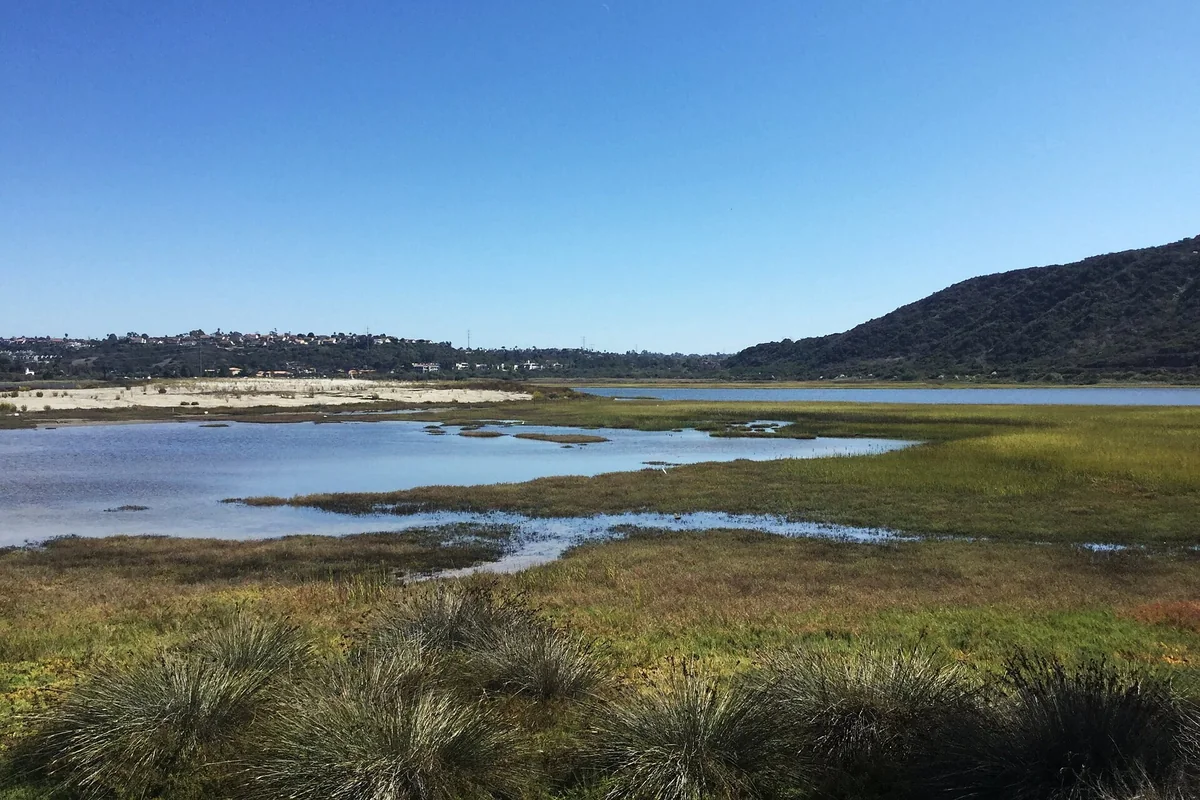
Lagoon walks offer different habitats and should not be expected to reproduce the same species mix as a sandy bluff. Compare Batiquitos Lagoon or Agua Hedionda’s Hubbs Trail for a broader nature outing. Keep the chart as a reference, not a checklist every location must satisfy.
Observe without picking
Do not pick flowers, collect seeds or step into vegetation for a portrait. Torrey Pines’ habitat guide explains the connection between flowers, seeds and the next generation of annual plants. Leave that cycle intact and keep pets and equipment on permitted routes.
Photograph the whole plant and a flower detail from the trail, note the date and habitat, and check a reliable identification reference afterward. This chart is not an edible-plant guide. A satisfying San Diego wildflower walk can be a careful look at a handful of plants, with no superbloom claim and no damage left behind.
Questions before you go
When do San Diego coastal wildflowers bloom?
Spring is a useful starting point, but species, rainfall and local conditions change the timing. Some coastal plants flower in winter or beyond spring.
Does this chart predict a superbloom?
No. It gives general species flowering windows, not a current bloom report or a guarantee of widespread flowers.
Sources & further reading
Official information and references for this guide. Check the source for current access, rules and conditions.